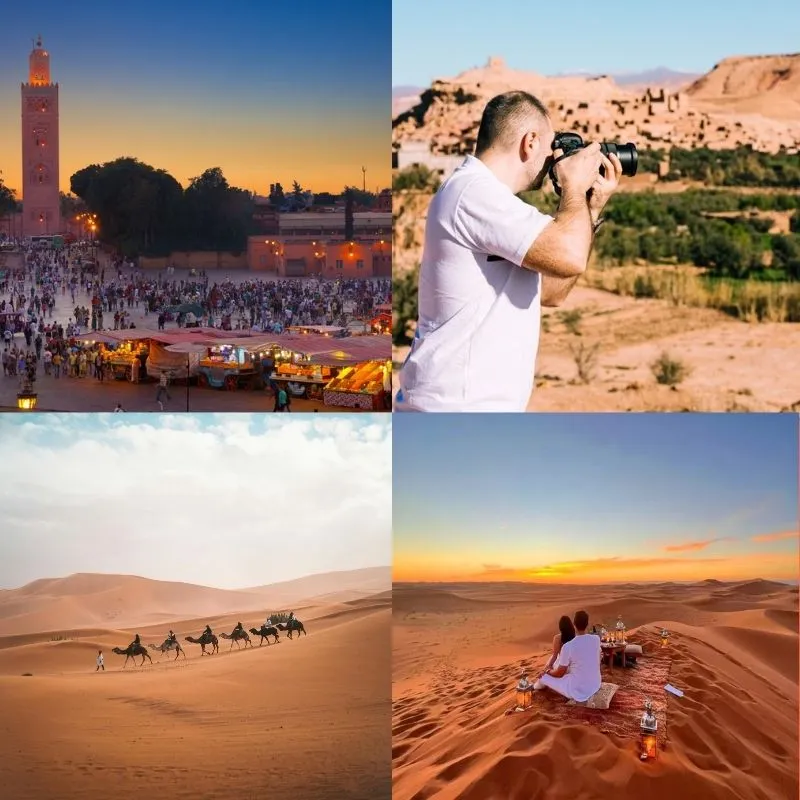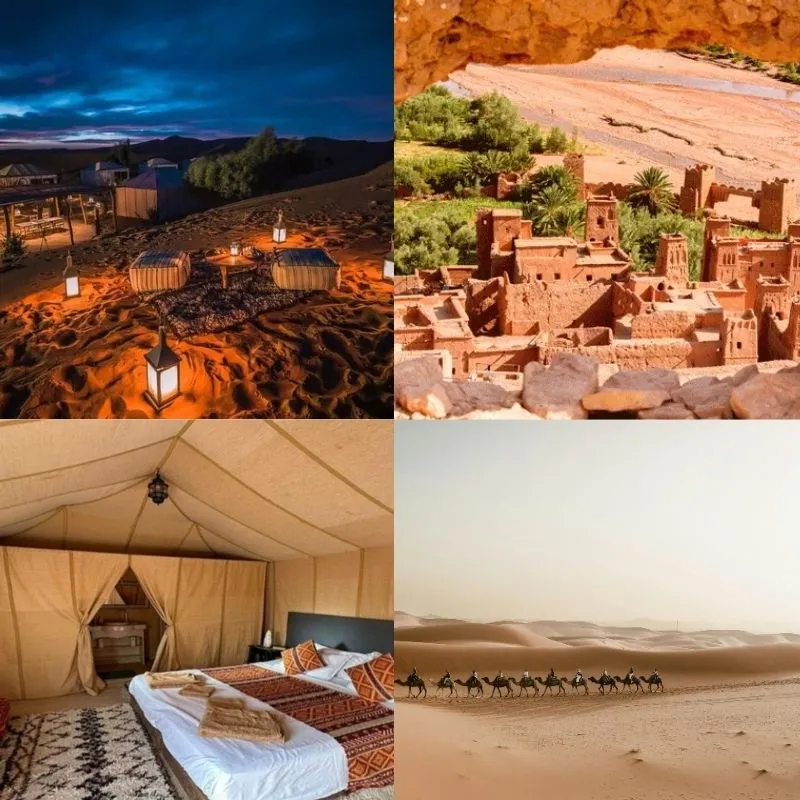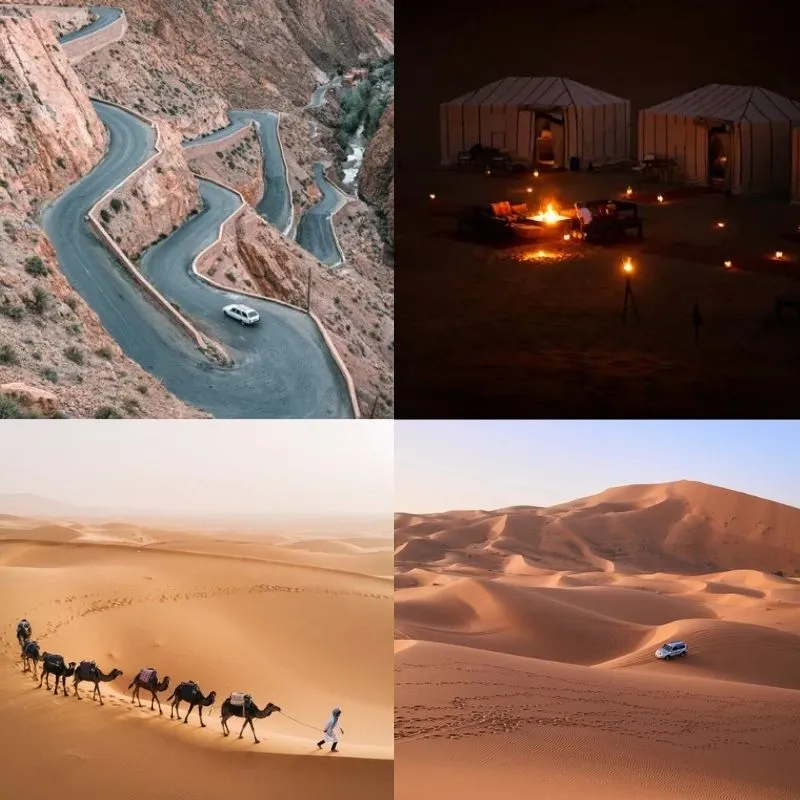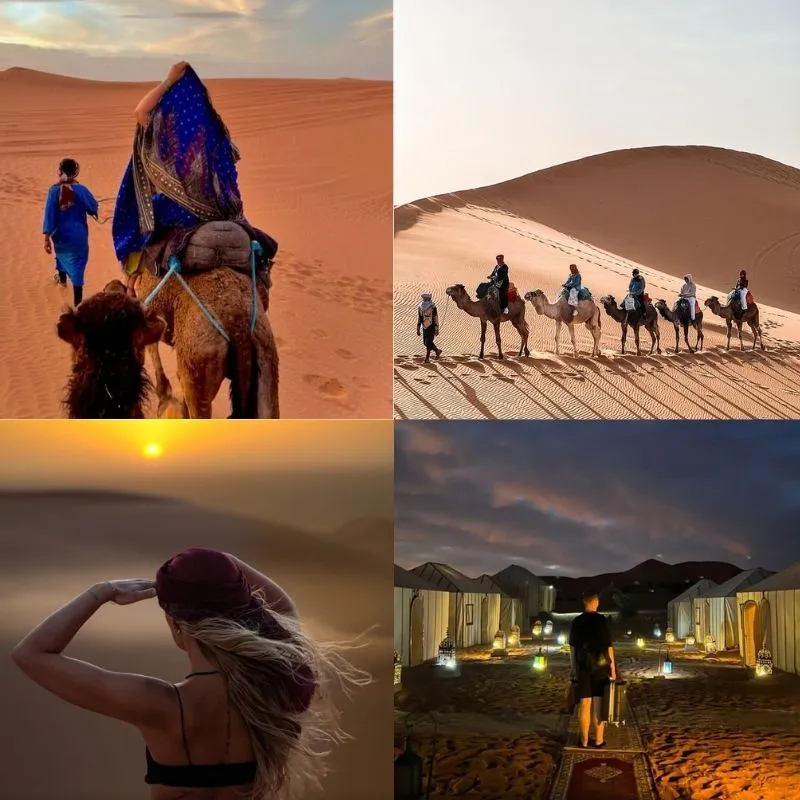
The Sahara is the largest hot desert on Earth — a sea of sand, stone and sky spanning North Africa, at its most beautiful in the golden dunes of Morocco. Here are the facts worth knowing before you go: how big it is, how hot it gets, what lives there, and how the Sahara you'll visit in Morocco fits into the wider desert.
How big is the Sahara Desert?
The Sahara covers around 9.2 million square kilometres — roughly the size of the United States or China — making it the largest hot desert in the world. (Only the cold polar deserts of Antarctica and the Arctic are larger.) It stretches across North Africa through about eleven countries, from the Atlantic coast to the Red Sea, and the corner you'll explore on a Morocco tour is its north-western edge.
It's not all sand
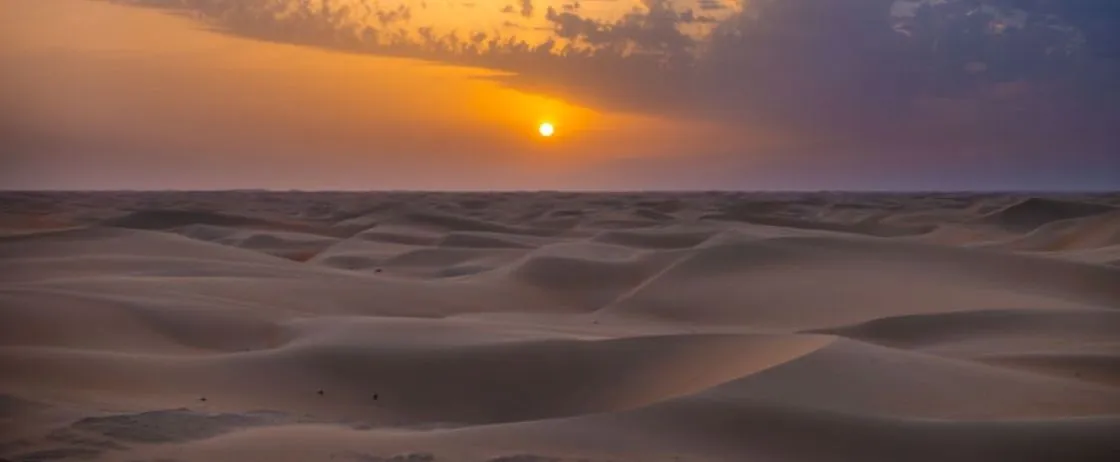
The classic image of endless dunes is only part of the truth: sand seas — called ergs — make up only about a fifth to a quarter of the Sahara. Most of it is rocky plateau (hamada) and vast gravel plains (reg). Morocco has two of the most beautiful ergs — Erg Chebbi near Merzouga and Erg Chigaga near M'Hamid — which is exactly why they draw travellers who want the postcard dunes.
How hot — and how cold — does it get?
The Sahara is famous for extreme heat: summer days regularly pass 45°C and the sand can be scorching. But the desert also gets surprisingly cold — with no cloud or humidity to hold the warmth, temperatures fall fast after sunset, and winter nights near Merzouga can drop close to or below freezing. This is why we time camel treks for sunrise and sunset, and tell travellers to pack a warm layer even in summer.
The dunes of Erg Chebbi
The dunes of Erg Chebbi — the ones most Morocco travellers visit — rise up to around 150 metres, tall enough to feel like mountains of sand. They shift and reshape with the wind, glow from pink to deep orange through the day, and are at their most magical at dawn. Sandboarding, camel caravans and a night in a desert camp are the classic ways to experience them.
The Sahara was once green
It is hard to believe standing among the dunes, but a few thousand years ago much of the Sahara was green savanna dotted with lakes and rivers. During this 'African Humid Period', which ended roughly 5,000 years ago, herds of animals roamed here — and ancient rock carvings across the desert still show giraffes, elephants and hippos that once lived where there is now only sand.
Life in the desert
The Sahara is far from empty. The dromedary camel — the 'ship of the desert' — can go days without water; the tiny fennec fox, with its huge heat-shedding ears, hunts by night; and addax antelope, monitor lizards, scorpions and hardy desert plants all survive the extremes. Berber and nomad families have lived alongside them for centuries, moving with the seasons and the grazing.
The Sahara reaches around the world
Saharan sand does not stay put. Great dust storms lift millions of tonnes of it into the sky each year, and winds carry that dust across the Atlantic — where it helps fertilise the Amazon rainforest — and sometimes as far as Europe, turning skies orange. The desert you walk in Morocco is part of a system that touches the whole planet.
Seeing the Sahara for yourself
The Moroccan Sahara is one of the most accessible corners of the great desert: two to three days from Marrakech or Fes brings you to the dunes of Erg Chebbi near Merzouga. Our Sahara desert guide explains how to plan the trip, and every private Morocco tour we run can be built around a night under the desert stars.
Frequently asked questions
How big is the Sahara Desert?
About 9.2 million square kilometres — the largest hot desert on Earth, roughly the size of the USA or China, spanning around eleven North African countries.
Is the Sahara all sand dunes?
No — only about a fifth to a quarter is sand. Most is rocky plateau and gravel plain. Morocco's Erg Chebbi and Erg Chigaga are among its finest sand-dune areas.
How hot does the Sahara get?
Summer days often exceed 45°C, but nights can be cold — winter nights in the Moroccan Sahara can fall close to freezing.
How tall are the dunes at Merzouga?
The dunes of Erg Chebbi reach up to around 150 metres — the tallest most Morocco travellers will see.
Was the Sahara ever green?
Yes — a few thousand years ago much of it was green savanna with lakes and rivers. Ancient rock art still shows animals such as giraffes and hippos.
What animals live in the Sahara?
Dromedary camels, fennec foxes, addax antelope, monitor lizards, scorpions and specially adapted plants, alongside Berber and nomad communities.
Official resources

Born beside the dunes of Erg Chebbi and a licensed Moroccan guide since 2008, Elhoussaine founded Visit Maghreb to share the country he grew up in. Over more than 15 years he has guided travellers from every continent across the High Atlas, the imperial cities and the Sahara — and still plans every itinerary personally.
Planning a trip? We design private, tailor-made Morocco tours around exactly this kind of advice. Tell us your dates →