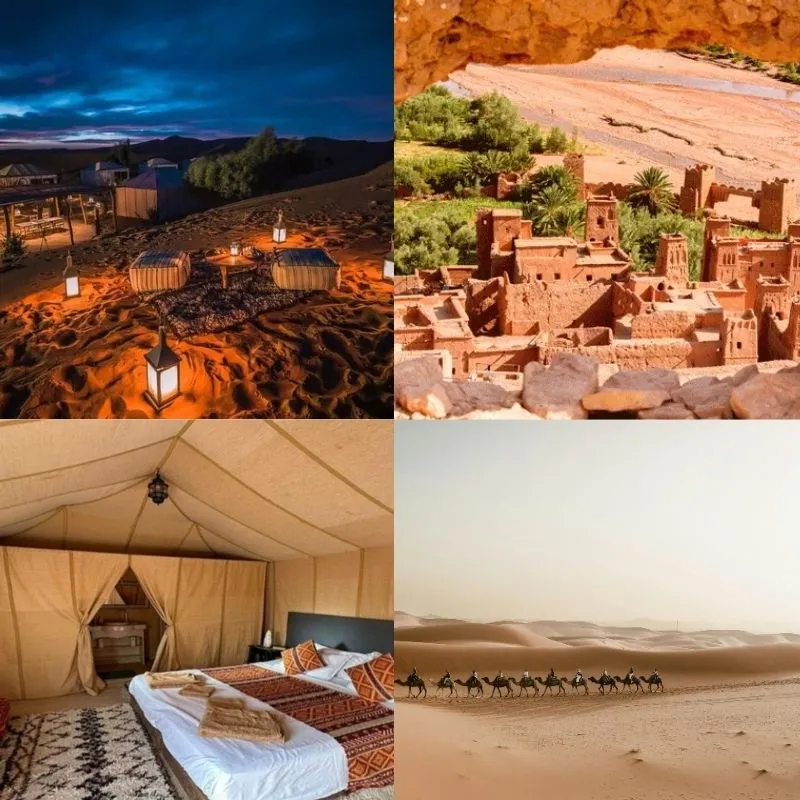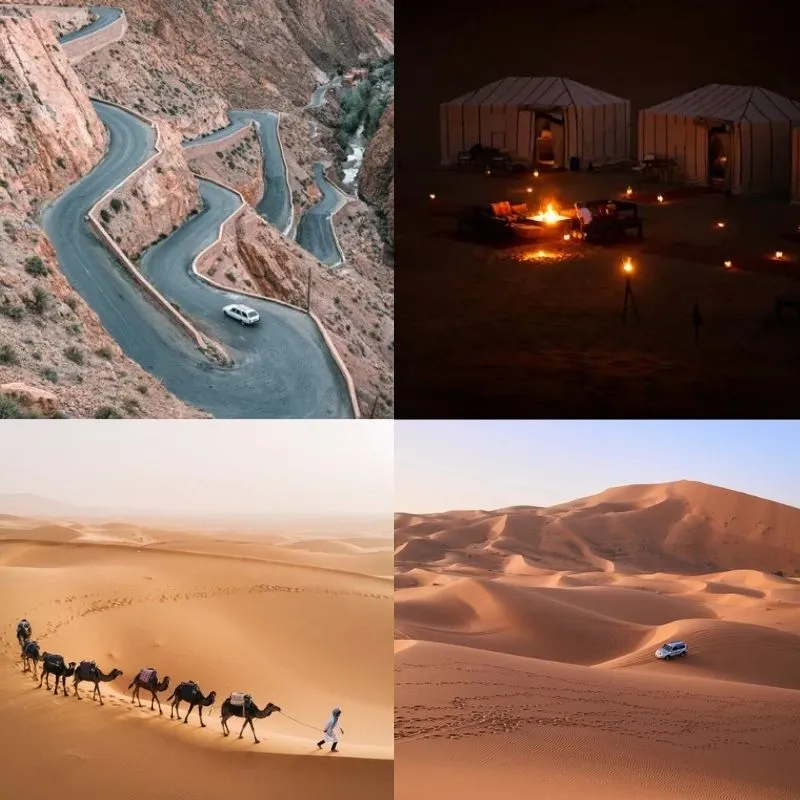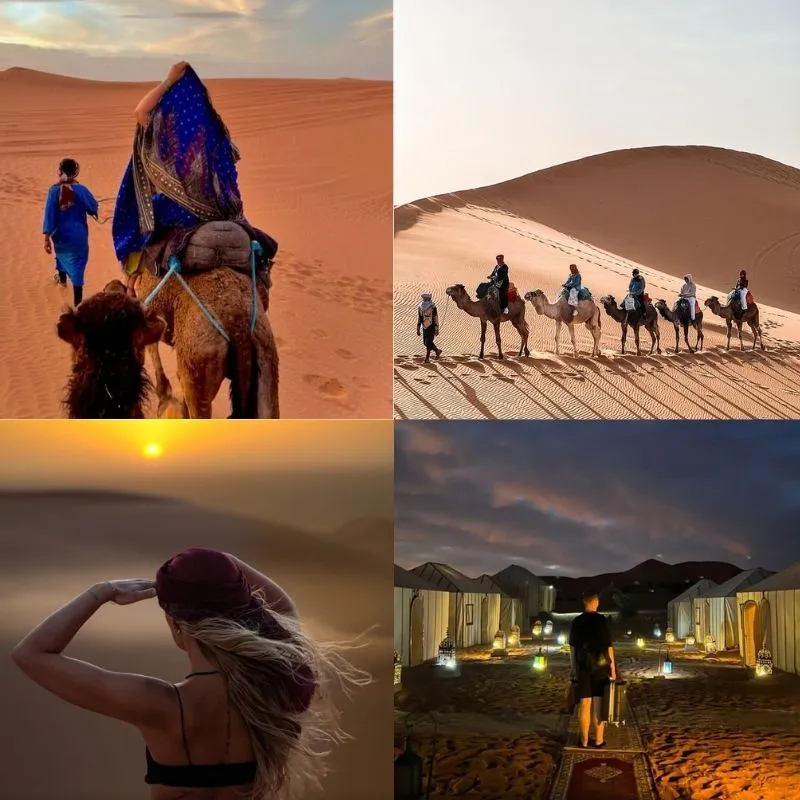
Which Moroccan desert should you choose?
Morocco has three very different 'deserts', and choosing the right one shapes your whole trip. Merzouga (Erg Chebbi) is the postcard Sahara — towering golden dunes, about 9 hours from Marrakech or 7 from Fes. Zagora and M'Hamid (Erg Chigaga) are wilder and a little closer, the choice for travellers who want fewer crowds. Agafay, just 45 minutes from Marrakech, is a rocky moonscape rather than true dunes — perfect when you're short on time but not the real Sahara. The rest of this guide breaks down each one so you can choose with confidence.
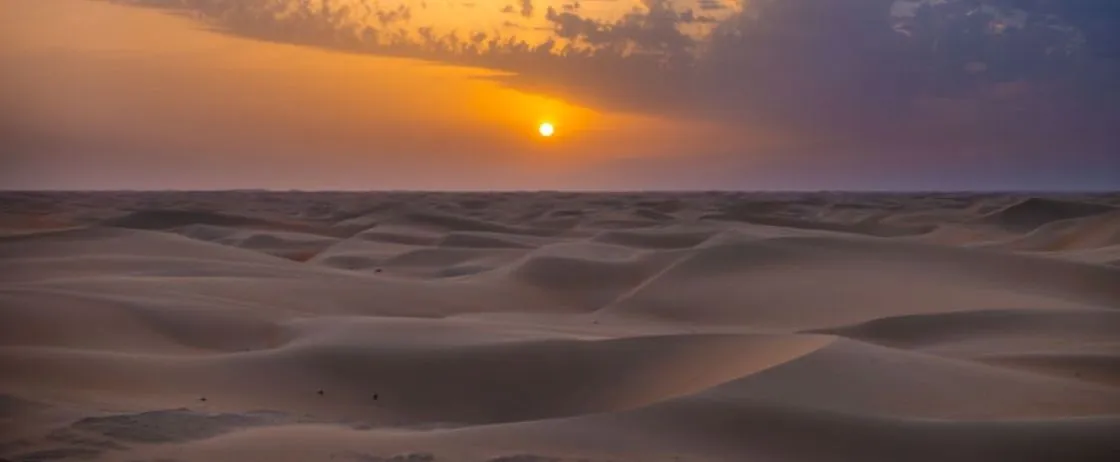
Merzouga & Erg Chebbi — the classic big dunes
If you picture the Sahara, you are picturing Erg Chebbi: a sea of wind-sculpted dunes rising up to 150 metres, glowing pink at dawn and deep orange at sunset. This is where most of our desert tours head, and for good reason — the scenery is the most spectacular in Morocco.
There is more to do than you'd expect: a camel trek to a camp, sandboarding, a 4x4 run to the village of Khamlia for Gnaoua music, fossils in the black volcanic hills, and the nomad families who still live at the desert's edge. Nights are spent in a tented camp under a sky thick with stars.
Zagora & Erg Chigaga — wilder and closer
Zagora sits about 7 hours from Marrakech and was the historic gateway to the caravan routes — the famous '52 days to Timbuktu' sign still stands. Its own dunes (Tinfou) are small, so most travellers push on to M'Hamid and the remote dunes of Erg Chigaga, reached only by 4x4 across open desert. Chigaga is bigger and emptier than you might expect, and because it takes effort to reach, you often have the dunes almost to yourself. Choose this route if solitude matters more to you than the very biggest dunes.
Agafay — the 'desert' near Marrakech
Agafay is a stony, lunar desert of rolling hills less than an hour from Marrakech, with the snow-capped Atlas on the horizon. There are no real sand dunes here — be wary of photos that suggest otherwise — but the camps are stylish, the sunsets gorgeous, and you can be sipping mint tea over a fire pit by evening without a long drive. It's ideal for a taste of desert life on a short trip, a first night before heading deeper south, or a special dinner. For true Sahara dunes, you still need Merzouga or Chigaga.
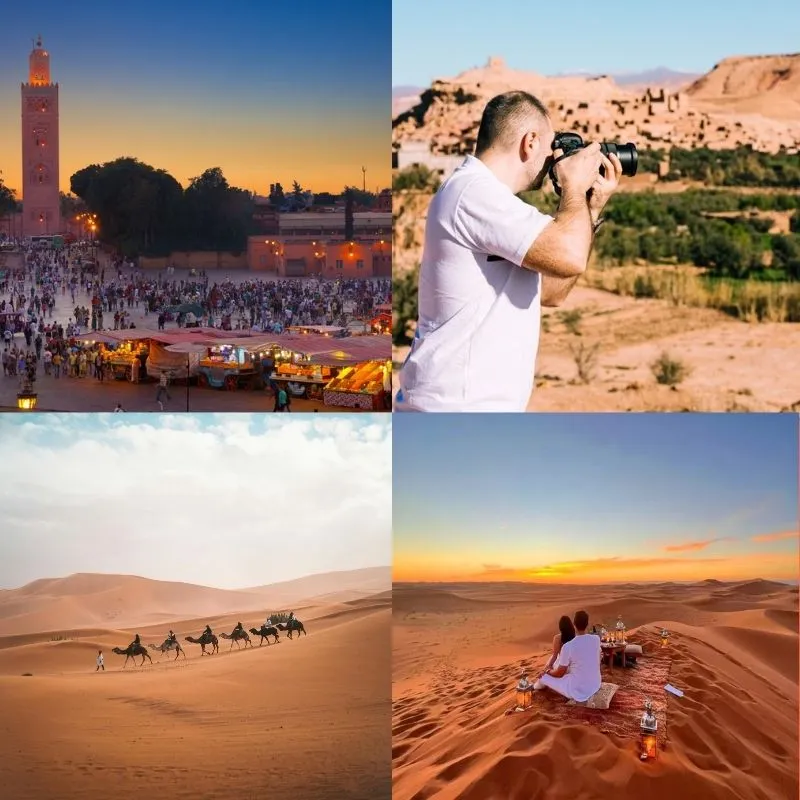
What a night in a desert camp is really like
The classic experience runs like this: you reach the edge of the dunes in the late afternoon, climb onto a camel, and ride in a slow caravan as the light turns golden. Half an hour later you arrive at camp — a circle of Berber tents around a fire. Dinner is a tagine cooked on site, followed by drumming around the fire and, when it falls quiet, a silence so complete you can hear your own heartbeat. You sleep in a private en-suite tent in our luxury camps, or a simpler standard tent, then wake before dawn to watch the sun rise over the dunes. For most travellers it is the highlight of the whole trip.
Camel trek or 4x4 — and standard vs luxury camp
You don't have to ride a camel if you'd rather not: a 4x4 can reach most camps in minutes, which suits families with small children or anyone with back trouble. The camel trek is usually short — 30 to 60 minutes — and gentle, timed for the cool of sunset. Camps come in two broad levels: comfortable standard camps with shared bathroom blocks, and luxury camps with private en-suite tents, real beds, rugs and proper dining. We match the camp to your budget and tell you honestly what each one is like.
How many days do you need for the desert?
From Marrakech, the minimum realistic desert trip is 3 days / 2 nights, with one night in the dunes — a long drive each way, but completely worth it. Four or five days lets you slow down, add the Dades and Todra gorges, and spend two nights in the south. From Fes, a 3-day crossing to Merzouga works well and can finish in Marrakech. If you are truly short on time, an Agafay overnight from Marrakech gives you a desert night without the distance.
When to go and what to pack
Spring (March–May) and autumn (September–November) are the most comfortable seasons for the Sahara: warm days and cool nights. Summer days are intense (40°C and above), and winter nights can drop below freezing, so pack for the season. Whatever the month, bring layers, a scarf for sun and sand, sunscreen, closed shoes for the dunes, and a warm jacket for the evening — desert nights are colder than people expect. Our best-time-to-visit and packing guides have the full detail.
Planning your Sahara trip with a local guide
Every desert tour we run is private and tailor-made: your own driver-guide, your own pace, and a camp matched to your style. We grew up beside these dunes, know the families who run the camps, and time every camel trek for the best light. Tell us your dates and how long you have, and we'll design the desert trip — and the scenic route to it — around you.
Frequently asked questions
Is the Sahara worth it for just one night?
Yes — one night in the dunes is the single most memorable part of most Morocco trips. Two nights feels less rushed, but even one sunset, one starry night and one sunrise is worth the drive.
How far is the desert from Marrakech?
Merzouga (Erg Chebbi) is about 9 hours' drive, which is why desert tours from Marrakech take at least 3 days. Zagora is around 7 hours, and Agafay is under an hour.
Are the desert camps comfortable?
Luxury camps have private en-suite tents with real beds, hot showers and proper dining; standard camps are simpler with shared bathrooms. Both include dinner and breakfast. We match the camp to your budget.
Can you visit the Sahara in summer?
Yes, but midday is very hot (over 40°C). We time the camel trek for sunset and dawn and keep the middle of the day for shade and travel. Spring and autumn are far more comfortable.
Official resources
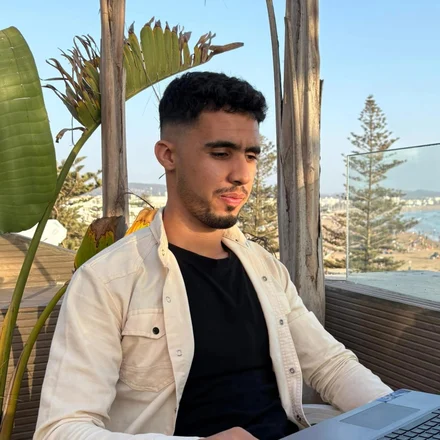
Born beside the dunes of Erg Chebbi and a licensed Moroccan guide since 2008, Elhoussaine founded Visit Maghreb to share the country he grew up in. Over more than 15 years he has guided travellers from every continent across the High Atlas, the imperial cities and the Sahara — and still plans every itinerary personally.
Planning a trip? We design private, tailor-made Morocco tours around exactly this kind of advice. Tell us your dates →