The Berbers — who call themselves Amazigh, the 'free people' — are the indigenous inhabitants of Morocco, here long before the Arab conquest. This local guide explains who the Amazigh are, their language, history and culture, and how to experience it respectfully on your trip.
Who are the Berbers — the Amazigh people?
The Berbers are the indigenous people of Morocco and North Africa, living here for thousands of years before the Arab conquests of the 7th century. They call themselves Imazighen (singular Amazigh), usually translated as 'free people'; 'Berber' is an older name given by outsiders, from the Greek and Latin word for 'barbarian'. Today a very large share of Moroccans are of Amazigh descent, and many families blend Amazigh and Arab heritage. Amazigh identity is strongest in the mountains, the south and the desert, where language and customs have changed least.
A history older than the cities
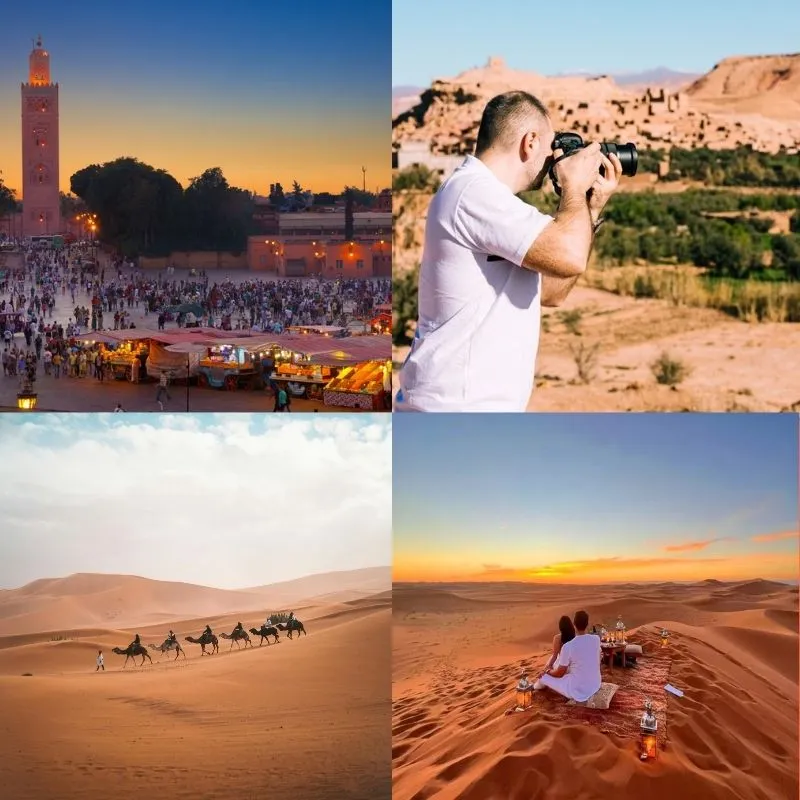
Long before the Romans, Amazigh kingdoms such as Numidia and Mauretania ruled North Africa. When Islam arrived in the 7th century, the Amazigh gradually adopted the new faith while keeping their language and customs. The most powerful Moroccan dynasties were themselves Amazigh: the Almoravids and Almohads — desert and mountain Berbers who founded Marrakech, built the Koutoubia minaret and ruled an empire that reached into Spain — followed by the Marinids. Much of what visitors admire in Morocco today, from the red walls of Marrakech to the kasbahs of the south, is Amazigh in origin.
The Amazigh language and Tifinagh script
The Amazigh speak Tamazight, a language with several regional varieties: Tashelhit in the Souss and Anti-Atlas, Central Atlas Tamazight in the Middle Atlas, and Tarifit in the northern Rif. It is written in Tifinagh, an ancient alphabet whose relatives are still used by the Tuareg and which has been revived across Morocco. Since 2011 Tamazight has been an official language of Morocco alongside Arabic, and you will now see its script — including the yaz symbol ⵣ, meaning 'free' — on public buildings and road signs.
Where the Amazigh live in Morocco
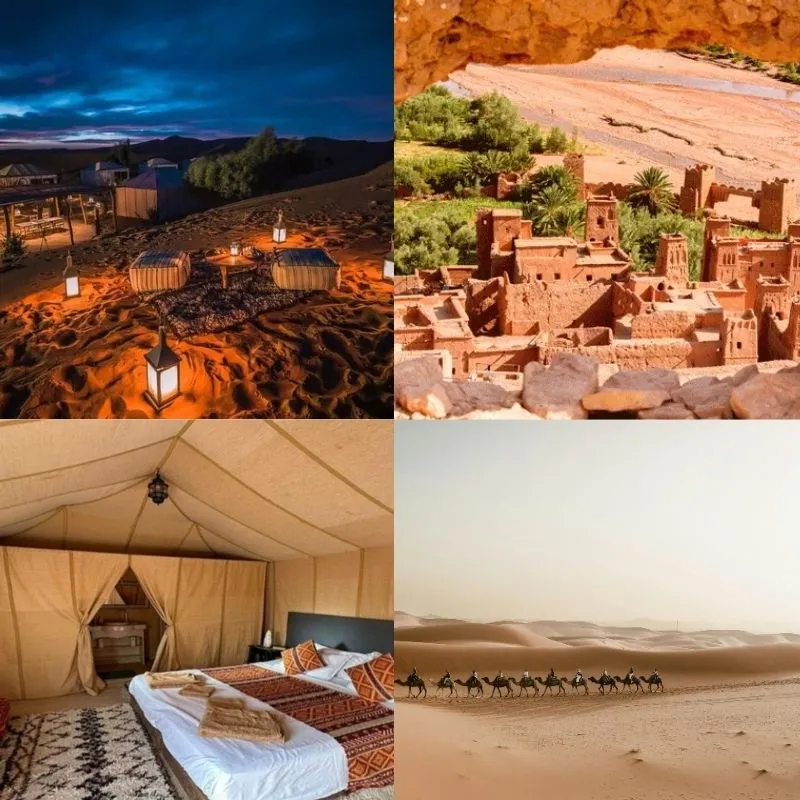
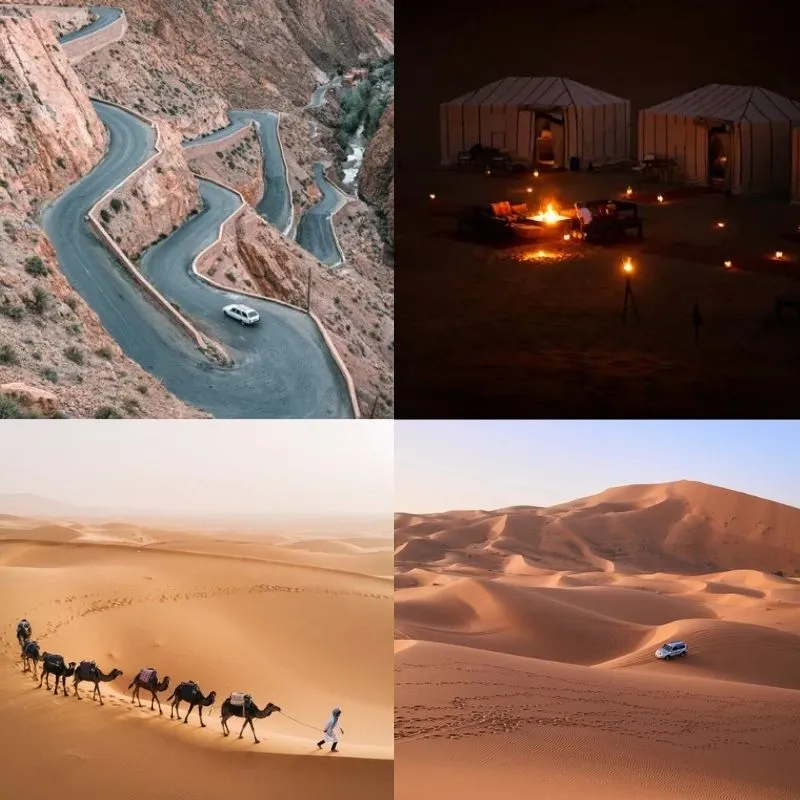
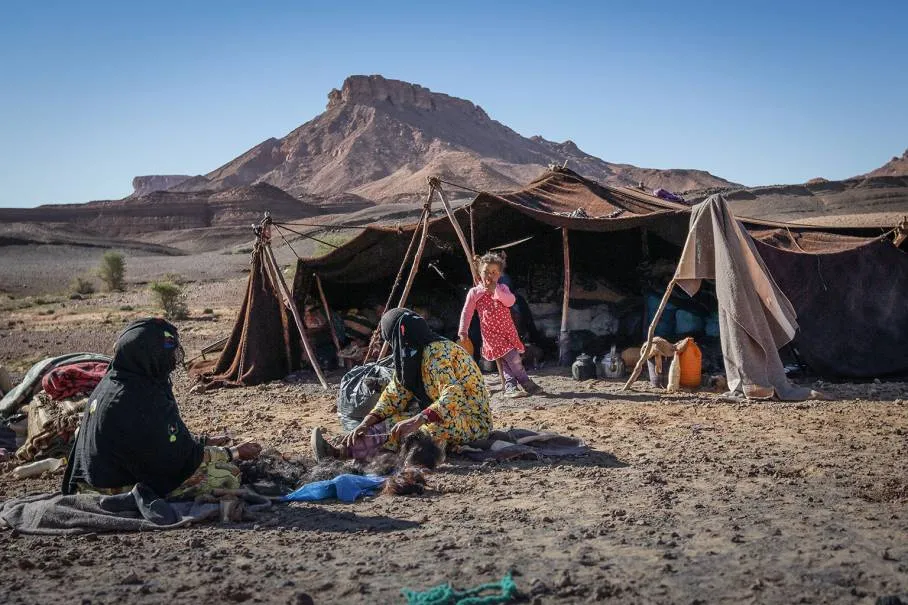
Amazigh communities are spread across the country but are most visible in the mountains and the south: the villages of the High and Middle Atlas, the Anti-Atlas above Agadir, the Rif in the north, and among the semi-nomadic families of the Sahara near Merzouga. Traditional life revolves around terraced fields, olive and almond groves, flocks of sheep and goats, and homes of packed earth — the kasbahs and fortified villages (ksour) that give the south its unmistakable look.
Hospitality, tea and food
Amazigh culture is famous for its hospitality: a guest is honoured, and refusing a glass of sweet mint tea — poured from a height into small glasses — can seem impolite. Meals centre on tagine, couscous (traditionally served on Fridays), fresh bread and amlou, a rich almond-and-argan spread from the Souss. Sharing a meal in a family home in the Ourika Valley or an Atlas village is one of the most memorable things a traveller can do in Morocco.
Carpets, crafts and symbols
Each Amazigh region weaves its own style of carpet, and the diamonds, zigzags and eyes in the patterns carry old meanings of protection and fertility. Silver jewellery, painted pottery, leatherwork and the flowing djellaba are all part of everyday Amazigh craft. Among older women you may still see facial and hand tattoos, and henna is used for celebrations. Buying directly from a village women's cooperative means your money supports the maker rather than a middleman.
Music, festivals and the Amazigh New Year
Amazigh festivals fill the calendar: the communal ahwash and ahidus dances, where whole villages sing and drum in a circle; the rose festival of the Dades Valley; the famous marriage moussem at Imilchil; and Gnaoua music, which carries a deep sub-Saharan heritage. In January, Yennayer — the Amazigh New Year — is now recognised as a national holiday in Morocco, celebrated with special meals and music.
How to experience Amazigh culture respectfully
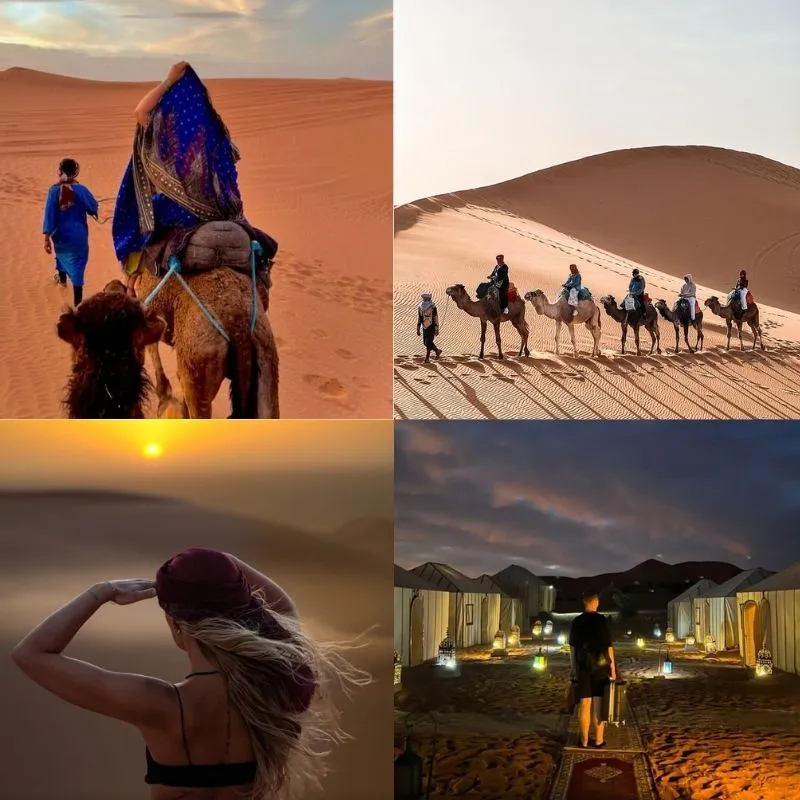
The best way to meet Amazigh people is to travel with them. On a private Morocco tour that includes the Atlas or the desert, your guide is often Amazigh himself and can arrange a genuine, welcome visit — tea in a family home, a walk through a mountain village, a night in a Berber camp. Learn a word or two (azul means hello), always ask before photographing people, and buy crafts fairly. Our Sahara desert guide covers the desert side of Amazigh life, where nomad families still live at the edge of the dunes.
Frequently asked questions
Are 'Berber' and 'Amazigh' the same thing?
Yes. Amazigh (plural Imazighen) is the name the people use for themselves and means roughly 'free people'. 'Berber' is an older name given by outsiders, from the Greek and Latin word for 'barbarian'. Many people today prefer 'Amazigh'.
What language do the Amazigh speak?
Tamazight, with regional varieties — Tashelhit in the south, Central Atlas Tamazight in the Middle Atlas, and Tarifit in the Rif. It is written in the Tifinagh alphabet and has been an official language of Morocco, alongside Arabic, since 2011.
How many Moroccans are Amazigh?
Estimates vary widely and the question is debated, because most Moroccans have mixed heritage and many are bilingual. A very large share of the population is of Amazigh descent, but exact percentages are uncertain.
Where can I meet Berber people in Morocco?
Most easily in the Atlas Mountains (for example the Ourika Valley or Imlil), the Souss around Agadir, the Rif in the north, and among Saharan nomad families near Merzouga — usually as part of a tour that includes the mountains or the desert.
What did the Amazigh build in Morocco?
The Almoravid and Almohad dynasties, both Amazigh, founded Marrakech and built landmarks such as the Koutoubia minaret, and the kasbahs and fortified villages of the south are traditional Amazigh architecture.
Is it respectful to visit a Berber village?
Yes, when done thoughtfully: go with a local guide, ask before taking photos, and buy crafts directly and fairly. Our guides are Amazigh and arrange visits where the family genuinely welcomes travellers.
Official resources
Born beside the dunes of Erg Chebbi and a licensed Moroccan guide since 2008, Elhoussaine founded Visit Maghreb to share the country he grew up in. Over more than 15 years he has guided travellers from every continent across the High Atlas, the imperial cities and the Sahara — and still plans every itinerary personally.
Planning a trip? We design private, tailor-made Morocco tours around exactly this kind of advice. Tell us your dates →