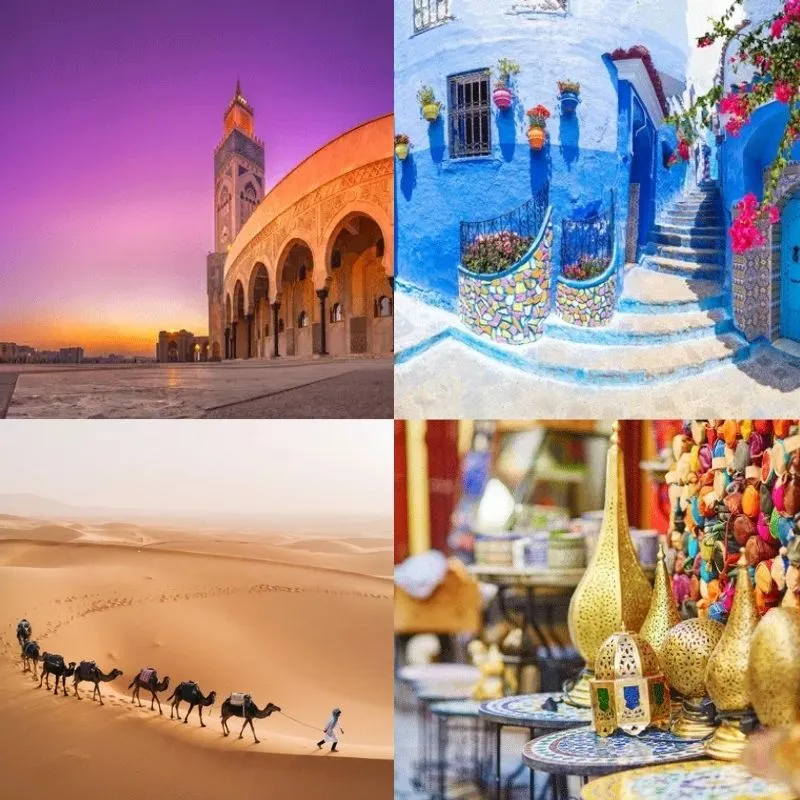
The short answer
Yes — women travel solo in Morocco every day, and the great majority have a safe, wonderful time. Morocco is welcoming and serious crime against tourists is rare. The honest reality: you should expect some unwanted attention — comments, persistent sellers, the occasional man who follows or flirts — which is annoying rather than dangerous, and very manageable with a few habits. Dress modestly, stay confident, avoid empty areas late at night, and you'll be fine. Many solo women choose a private guide or tour for parts of the trip (especially the desert and the medinas), which removes almost all the hassle.
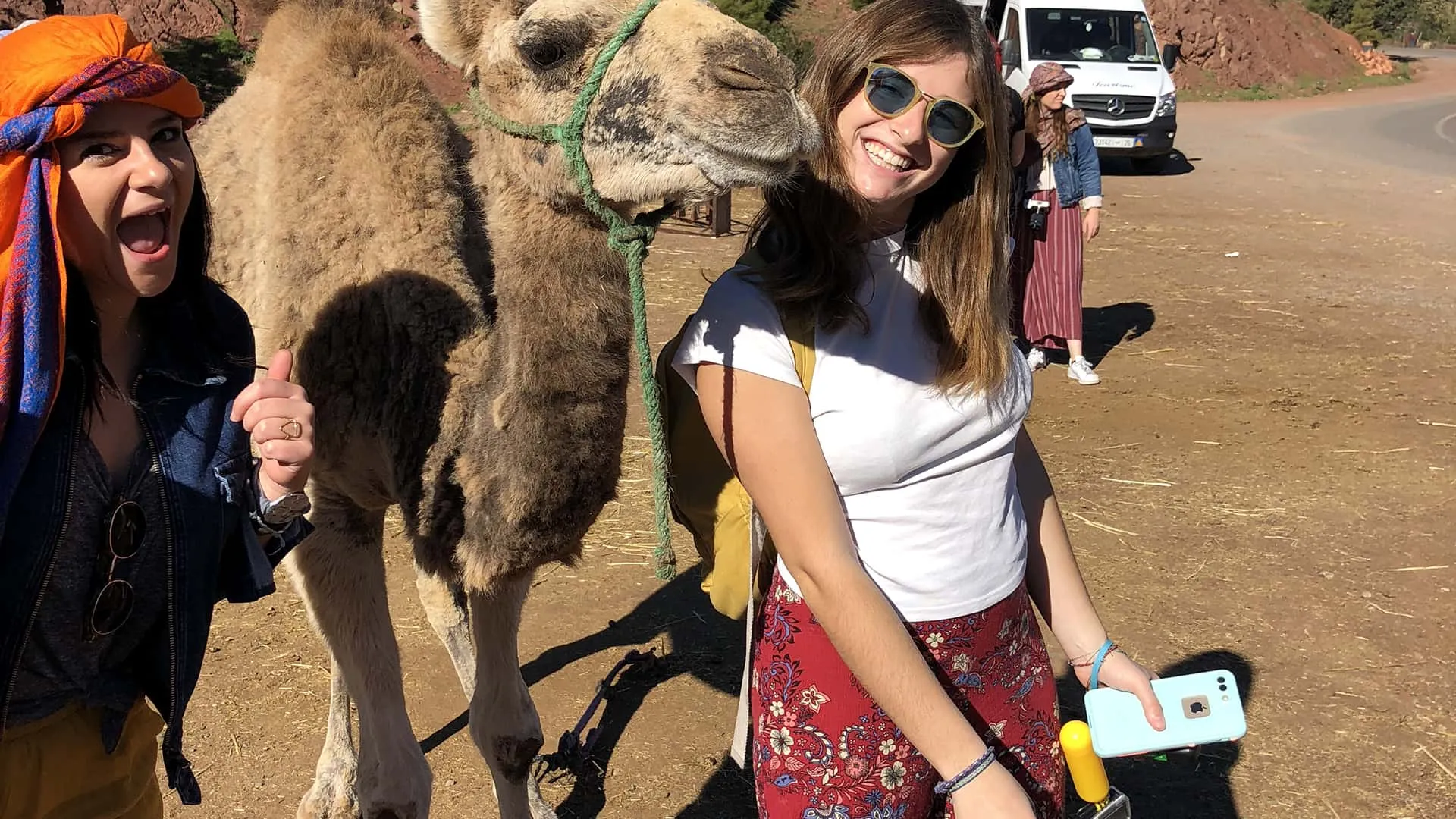
Is Morocco safe for solo female travellers?
Broadly, yes. Violent crime against tourists is uncommon, and Moroccans are generally hospitable and protective of guests. Thousands of women travel here alone or in small groups every year and return raving about it. That said, Morocco is a conservative, male-dominated public culture, and as a solo woman you will be more visible — so 'safe' comes with sensible awareness rather than a blanket 'nothing ever happens'.
The most common issues are catcalling, staring, persistent shopkeepers and 'guides', and men who strike up conversation hoping for more. It's tiring, occasionally intimidating, but rarely a real safety threat. Pickpocketing exists in the busiest medinas, as anywhere. Knowing this in advance — rather than being blindsided — is half the battle.
What to expect (the honest version)
Be prepared for attention, especially in Marrakech, Fes and busy tourist areas. You may get comments in the street, be called at, or have men try to walk with you. The best response is usually the local one: don't engage, don't smile politely at persistent strangers (it can be read as encouragement), keep walking, and a firm 'la, shukran' ('no, thank you') works wonders. Sunglasses and headphones help you tune it out.
You'll also meet genuine warmth — shopkeepers who just want to chat, families who invite you for tea, women who look out for you. The trick is telling the two apart, which gets easier within a day or two. Trust your instincts: if a situation feels off, step into a shop, a café or a hotel, or ask a woman for help.
What to wear
You don't need to cover your hair, and Morocco is used to tourists — but dressing modestly makes you more comfortable and draws less attention. Cover shoulders and knees; loose trousers, long skirts or dresses, and tops that aren't tight or low work well. A light scarf is useful for sun, mosques and cooler evenings. In Marrakech's modern districts and beach towns like Essaouira and Agadir, standards are more relaxed.
This isn't about strict rules — plenty of women wear what they like — but dressing on the modest side genuinely reduces hassle and shows respect for local culture, which locals appreciate.
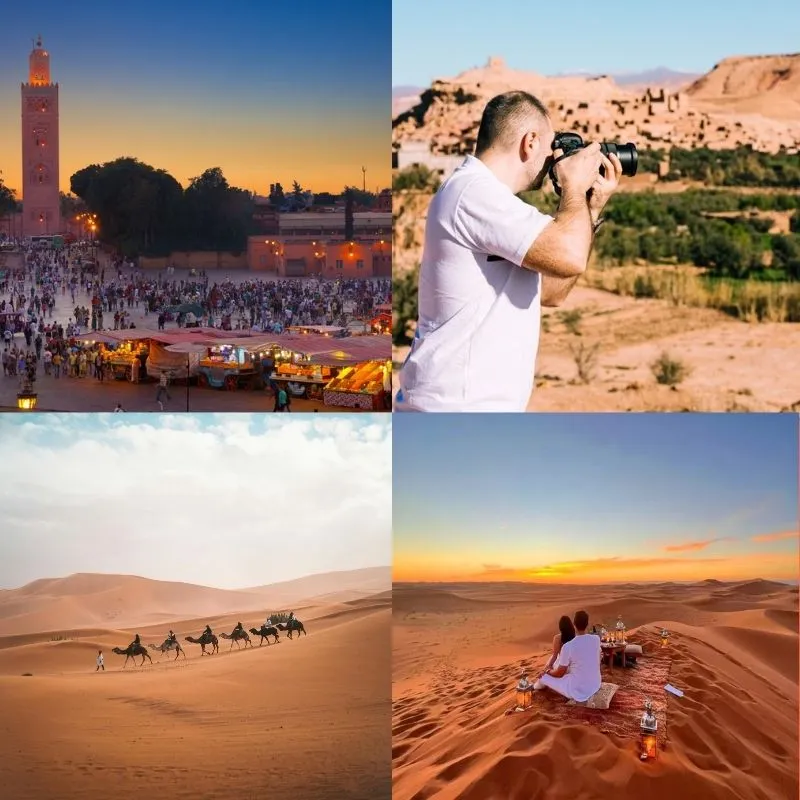
Where to stay and getting around
Choose well-reviewed riads and guesthouses, ideally with staff who can arrange trusted taxis and give local advice — a good riad becomes a safe base and a source of help. Read recent reviews from other solo women. Arrive in new cities during daylight where possible.
For getting around, official petit taxis (agree the fare or insist on the meter), trains between cities (comfortable and safe, with women often sharing compartments), and pre-booked private drivers are all good. Avoid walking alone in unlit or empty areas late at night, and be a little more cautious in quiet medina lanes after dark. For the desert, the Atlas and long routes, a private driver-guide is both safer and far more relaxing than piecing together transport alone.
Practical dos and don'ts
A few habits handle almost everything. Do: keep valuables secure and close; agree prices before any tea, photo or 'guide'; walk with purpose even when lost; keep your accommodation address and a local map offline; and lean on other women (shopkeepers, café owners, fellow travellers) if you need help. Do say a confident, unsmiling 'no' and keep moving.
Don't: accept unsolicited 'guiding' or directions from men who approach you; don't follow anyone down quiet lanes; don't share your hotel or solo status with strangers; and don't feel obliged to be polite to persistence — brushing someone off is normal and expected here, not rude. A wedding ring (real or not) and a vague 'my husband is meeting me' can quietly end unwanted attention.
Best places and how a private tour helps
Some places are especially easy and rewarding for solo women: Essaouira (relaxed, breezy, artsy and low-hassle), Chefchaouen (calm and friendly), the Atlas mountain villages, and desert camps, where you're looked after as a guest. The big medinas of Marrakech and Fes are the most intense — wonderful, but where a guide helps most.
This is why many solo female travellers book a private tour or guide for at least part of the trip. With your own driver-guide, the hassle in the souks disappears, the logistics of the desert and mountains are handled, and you travel with someone local who has your back — while keeping the freedom to do your own thing in the relaxed towns. It's the difference between a trip you endure and one you love.
The verdict
Morocco is a rewarding, safe-enough destination for solo female travellers who come prepared. Expect some hassle, dress and act with a little awareness, choose your accommodation and transport sensibly, and you'll almost certainly have an incredible time — the scenery, the culture and the warmth of the people are worth it. Countless women do it every year and come home in love with the country.
If you'd like the freedom of solo travel with the safety and ease of local support, a private guided tour (or guided days within an independent trip) is the sweet spot. Tell us your plans and we'll build a route that's comfortable, flexible and genuinely yours — with a trusted guide whenever you want one.
Frequently asked questions
Is Morocco safe for solo female travellers?
Yes for the great majority — serious crime against tourists is rare and Moroccans are welcoming. Expect some unwanted attention (comments, persistent sellers) which is annoying but rarely dangerous, and very manageable with modest dress, confidence and sensible night-time habits. Many solo women use a private guide for the medinas and desert.
What should women wear in Morocco?
You don't need to cover your hair, but dressing modestly — covered shoulders and knees, loose clothing — is more comfortable and reduces attention. A light scarf is handy for sun, mosques and evenings. Beach towns and modern city districts are more relaxed.
How do you handle unwanted attention in Morocco?
Don't engage: avoid eye contact and polite smiles with persistent strangers, keep walking, and use a firm 'la, shukran' (no, thank you). Step into a shop or café if needed, and ask women for help. A wedding ring and a vague 'my husband is meeting me' often help.
Should a solo female traveller book a guide in Morocco?
It's a popular choice, especially for the big medinas (Marrakech, Fes) and the desert and mountains. A private driver-guide removes almost all the hassle and handles logistics, while you keep freedom in relaxed towns like Essaouira and Chefchaouen.
Official resources
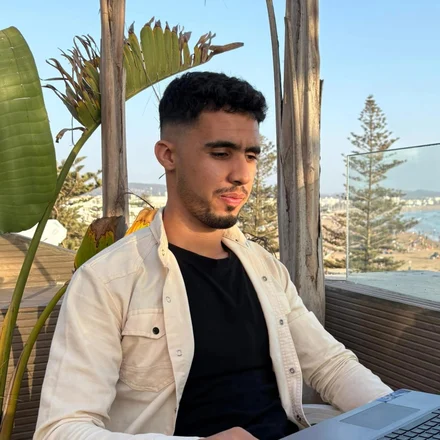
Born beside the dunes of Erg Chebbi and a licensed Moroccan guide since 2008, Elhoussaine founded Visit Maghreb to share the country he grew up in. Over more than 15 years he has guided travellers from every continent across the High Atlas, the imperial cities and the Sahara — and still plans every itinerary personally.
Planning a trip? We design private, tailor-made Morocco tours around exactly this kind of advice. Tell us your dates →