Clothing essentials
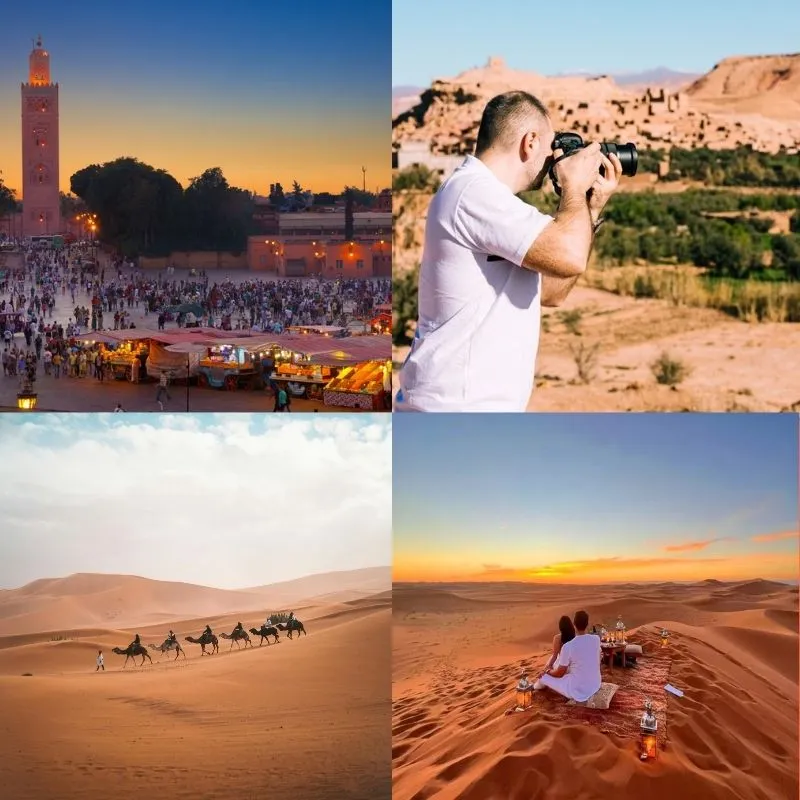
Pack light, breathable layers in natural fabrics. Morocco is moderately conservative, so clothes that cover shoulders and knees keep you comfortable and respectful, especially in medinas and rural areas. Bring one smarter outfit for nicer restaurants, and a scarf — useful for sun, modesty and desert dust.
For the desert
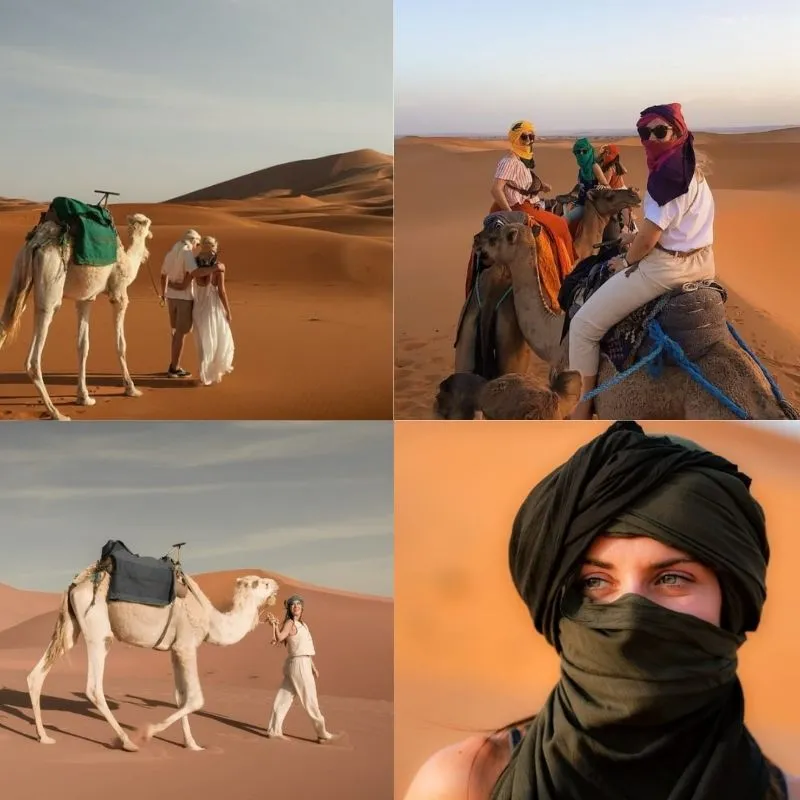
Desert days are warm and nights can be cold, so bring a warm layer or fleece even in summer, plus a light hat, sunglasses and high-SPF sunscreen. A scarf doubles as protection against blowing sand. In winter, add a proper warm jacket — desert nights can approach freezing.
For the mountains
If you're trekking the Atlas, bring sturdy shoes or hiking boots, layers, and a windproof jacket; the high peaks are cold and can hold snow even in spring.
Footwear
Comfortable, closed walking shoes are essential — medina streets are uneven and sometimes grubby. Add sandals for the coast and camp, and proper boots if trekking.
Health & practical items
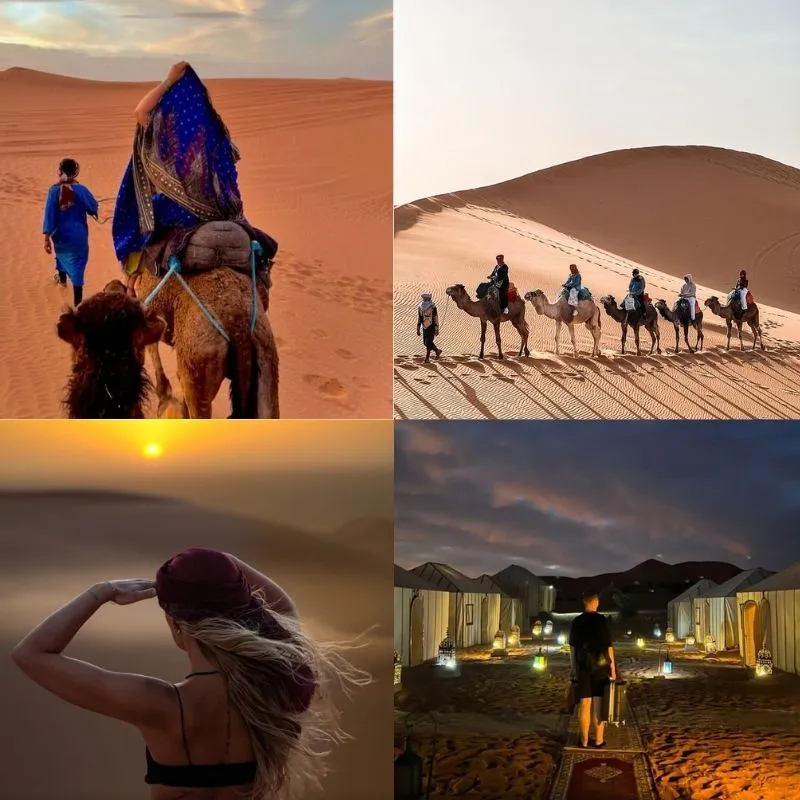
Pack any personal medication, a basic first-aid kit with stomach remedies, hand sanitiser, a reusable water bottle, a universal adapter (Morocco uses European-style plugs, 220V), and a portable charger. Tissues are handy as some toilets lack paper.
What not to over-pack
You can buy beautiful scarves, babouche slippers and toiletries cheaply in the souks, so leave room in your bag. Drones require permits and are often confiscated — leave them at home unless you've arranged authorisation.
A season-by-season quick checklist
In spring and autumn, pack light layers, a fleece for cool desert nights, comfortable walking shoes and sun protection — the easiest seasons to dress for. In summer, prioritise loose, breathable fabrics, a sun hat and high-SPF sunscreen, and save energy for early mornings and evenings; you'll still want one light layer for air-conditioned interiors and the occasional cool desert night.
Winter is the one that catches people out. Days are mild and sunny, but desert and mountain nights can approach freezing, so a proper warm jacket, hat and warm socks are essential alongside your daytime clothes. Whatever the season, the golden rule is layers: Morocco's temperature can swing 20°C between a desert afternoon and the night that follows.
Documents, money and tech
Bring your passport (valid at least six months beyond your travel dates), a printed and digital copy of your itinerary and bookings, and travel insurance details. Cards work in city hotels and larger shops, but carry cash for taxis, tips, the souks and rural areas — the dirham is exchanged or withdrawn on arrival.
On the tech side, Morocco uses European-style two-pin plugs at 220V, so bring a universal adapter. A portable charger is invaluable on long touring days and desert nights with no power, and a local SIM or eSIM is cheap and keeps you connected in towns — though you'll happily lose signal in the dunes.
Dressing respectfully
Morocco is moderately conservative, and dressing with a little awareness makes everything smoother and is warmly appreciated. For both men and women, clothing that covers the shoulders and knees is the comfortable norm in medinas, rural areas and religious sites; loose natural fabrics also keep you cooler in the heat. A scarf is the most useful single item in your bag — sun shade, dust shield, modesty layer and shoulder cover all in one.
You don't need to cover your hair as a visitor, and beach resorts and pools are relaxed. The aim isn't to disguise yourself but simply to read the room: a touch more coverage in a working medina or a village, and anything goes at a coastal lodge or a private riad terrace.
Frequently asked questions
What should women wear in Morocco?
Loose, comfortable clothing covering shoulders and knees is ideal — maxi dresses, loose trousers, light long-sleeve tops. A headscarf isn't required for tourists but is useful to have.
Do I need a sleeping bag for the desert camp?
No — camps provide beds and thick blankets. Just bring warm clothes for the evening and a torch or headlamp is handy.
Official resources
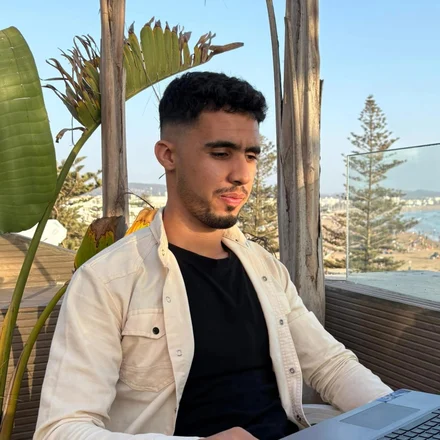
Born beside the dunes of Erg Chebbi and a licensed Moroccan guide since 2008, Elhoussaine founded Visit Maghreb to share the country he grew up in. Over more than 15 years he has guided travellers from every continent across the High Atlas, the imperial cities and the Sahara — and still plans every itinerary personally.
Planning a trip? We design private, tailor-made Morocco tours around exactly this kind of advice. Tell us your dates →