
Is Morocco safe?
Yes. Morocco is one of the safest countries in Africa and the Arab world for tourists, with a stable government, a huge, well-established tourism industry and a genuinely welcoming culture. Violent crime against visitors is rare. The main annoyances are persistent vendors, faux-guides and the occasional overcharging — irritating, not dangerous.
Common scams & how to avoid them
Watch for unofficial 'guides' who attach themselves to you in the medina, tanneries 'closing' unless you follow someone, and inflated prices. The fixes are simple: agree prices before you accept anything, use licensed guides (we provide them), and a polite, firm 'la shukran' (no thank you) works wonders.
Solo & female travellers
Many women travel Morocco solo and have a wonderful time. Female travellers do report catcalling and unwanted attention, especially in cities. Dressing modestly (covering shoulders and knees), projecting confidence, and using trusted transport and guides go a long way. Travelling with a private driver-guide removes most friction entirely.
Health & practical safety
Drink bottled or filtered water, wash or peel fruit, and carry basic stomach remedies. Traffic is the real hazard — be careful crossing roads and choose reputable drivers. Pharmacies are excellent and widespread; travel insurance is strongly recommended.
How we keep you safe
On our private tours you're with a vetted, licensed local guide-driver throughout, in an insured vehicle, with 24/7 support. That means no navigating scams alone, no dodgy transport, and someone who knows exactly where to go if anything comes up.
Travelling with children
Morocco is a wonderfully family-friendly place, and Moroccans adore children — expect your kids to be welcomed warmly almost everywhere. The practical concerns are ordinary ones: keep little ones hydrated and shaded in the heat, be mindful of traffic in busy cities, and stick to bottled water and well-cooked food to avoid upset stomachs.
A private tour removes most of the friction for families: car seats can be arranged, the pace flexes around nap times and meltdowns, and the camel trek into the desert is short and optional, with a 4x4 transfer available for small children. Many families tell us the desert night, with its campfire and stars, is the highlight of their children's whole trip.
LGBTQ+ travellers
This deserves an honest answer rather than a glossy one. Morocco is a conservative, majority-Muslim country, and same-sex relationships are not legally recognised, so public displays of affection are best avoided by all couples, gay or straight. That said, LGBTQ+ visitors travel Morocco every year and are generally met with the same warm hospitality as anyone else, particularly in tourist areas and riads.
Discretion is the practical watchword. Our guides are professional and welcoming to all travellers, and we're happy to recommend riads and venues known to be relaxed and friendly. If you have specific concerns, just raise them when planning and we'll advise candidly.
Useful numbers and quick tips
A few essentials cover most situations. The national police emergency number is 19 (190 from a mobile), and 15 reaches an ambulance; in rural areas the Royal Gendarmerie is 177. Save your accommodation's address in Arabic or French, keep a photo of your passport on your phone, and note that pharmacies — marked by a green crescent — are excellent for minor ailments and widespread in towns.
Beyond that, the usual travel sense applies anywhere: keep valuables out of sight in crowded medinas, use a hotel safe, take only licensed taxis or your private driver at night, and trust your instincts. None of this is Morocco-specific — it's simply good practice that lets you relax and enjoy an exceptionally welcoming country.
Frequently asked questions
Is Morocco safe for solo female travellers?
Yes, with sensible precautions. Dress modestly, be firm with unwanted attention, and consider a private guide for comfort. Thousands of women travel Morocco solo every year.
Is it safe to go to the Sahara desert?
Yes. The tourist desert regions around Merzouga and Zagora are safe and well-travelled. We use experienced local desert teams throughout.
Official resources
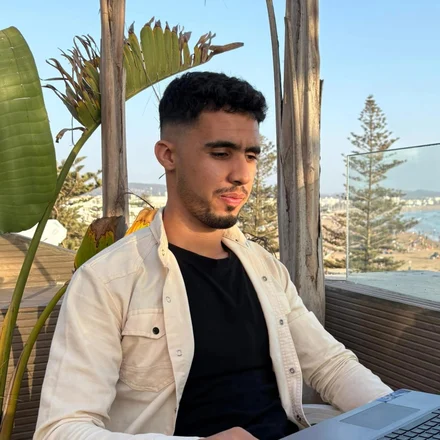
Born beside the dunes of Erg Chebbi and a licensed Moroccan guide since 2008, Elhoussaine founded Visit Maghreb to share the country he grew up in. Over more than 15 years he has guided travellers from every continent across the High Atlas, the imperial cities and the Sahara — and still plans every itinerary personally.
Planning a trip? We design private, tailor-made Morocco tours around exactly this kind of advice. Tell us your dates →